Nearly a third of prisoners are incarcerated in the twelve countries most vulnerable to climate change and natural disasters. They are entirely dependent on the authorities in the event of an emergency.
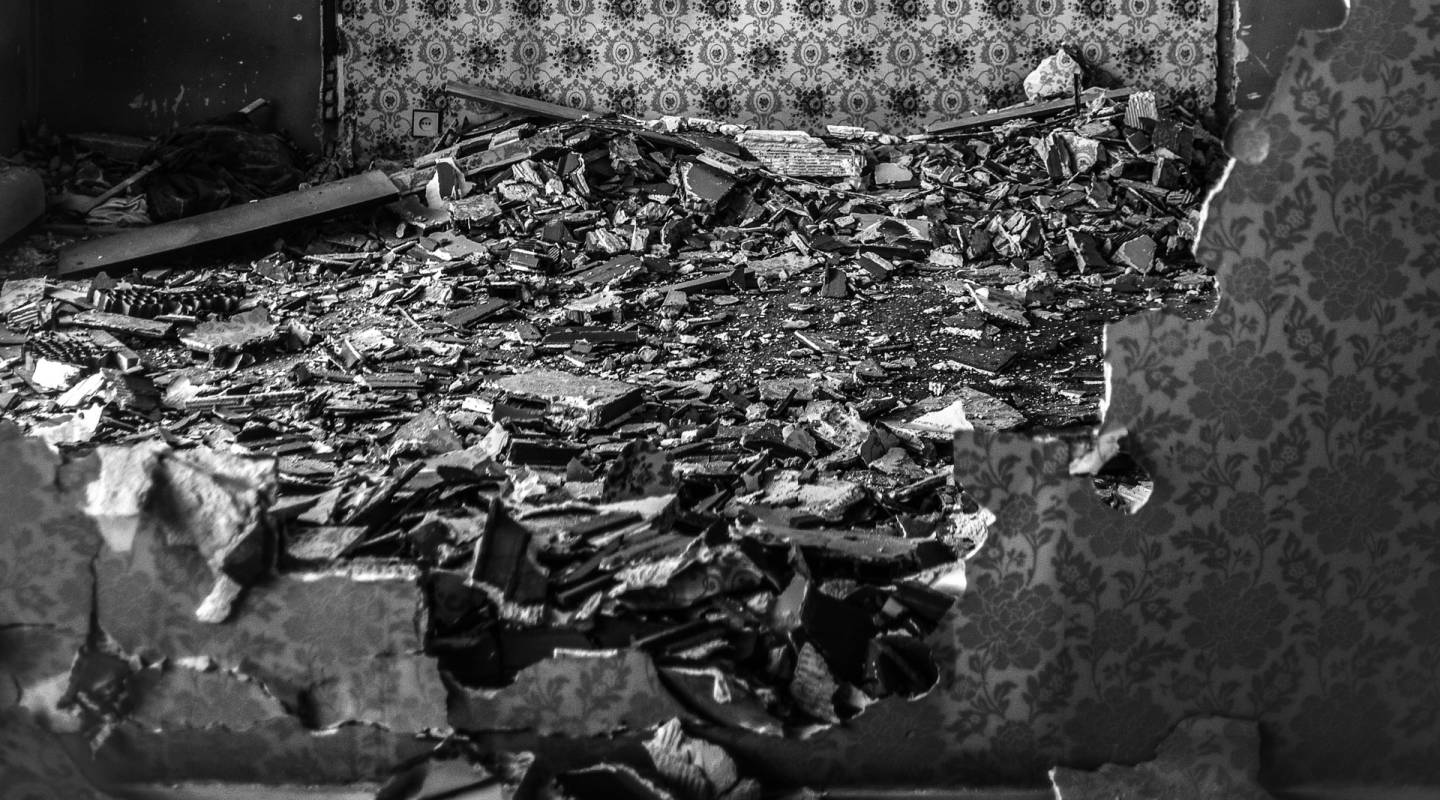
In Nepal, an earthquake hit the central prison at Katmandu. Sixteen people died and twenty-three were injured. In Peru, an earthquake destroyed the Tambo de Mora prison, built on sandy soil. The prison, located 40 kilometres from the epicentre, failed to withstand the quake. Repeated shaking saturated the loose earth with water and a liquid sludge leaked into the cells. In Haiti, repeated earthquakes and tsunamis are destroying courts and swallowing up files. This has created a situation where prisoners cannot be released because, legally, they do not exist.
In Mozambique, Cyclone Idai devastated four of the seven prisons in Sofala province. Forty prisoners and staff were trapped on the roof of Buzi prison, without food or water. In Côte d’Ivoire and Indonesia, torrential rains have caused walls to collapse. Prisoners must escape in order to survive.
In Pakistan, torrential rains drowned a third of the country. Prisons in the province of Sind were affected. Several were plunged into darkness for months on end, walls collapsed, and prisoners had to be transferred.
In the United States, thousands of prisoners were trapped in the Orleans Parish facility while Hurricane Katrina devastated the region. The prisoners were kept locked up for four days in the dark, without food, water or electricity. Contaminated water from the sewers reached their chests. The country has more than 600 prisons at severe risk of flooding.
Prisons are often relegated to the most inhospitable lands.
In France, a plot of land near the town of Saran was chosen for the construction of a new prison. The land was located in a flood zone. Two years after opening, the prison was flooded.
In the United States, employment in prisons fills the void left by dying industries in the “rust belt”, an industrial region in the northeast of the country.
The prison in Fayette, Pennsylvania, is built on the land of a former mining operation. More than 40 million tons of coal waste litters the entire valley. Respiratory illnesses, sore throat and sinus infections, cancers, skin diseases and thyroid problems have been reported among the prison population.
The western United States is plagued by recurrent megafires. In California, 90 establishments have been categorised as vulnerable to wildfire. Many have no evacuation plan. Prisoners are deployed throughout the region to fight the flames. Prisoners make up as much as 30% of fire-fighting teams and earn between two and five dollars a day.