Explore
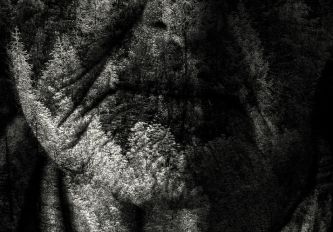
Wrinkles and punishment
Twelve pieces exposing the reality of imprisonment
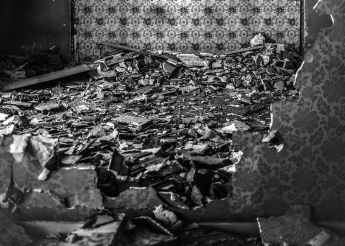
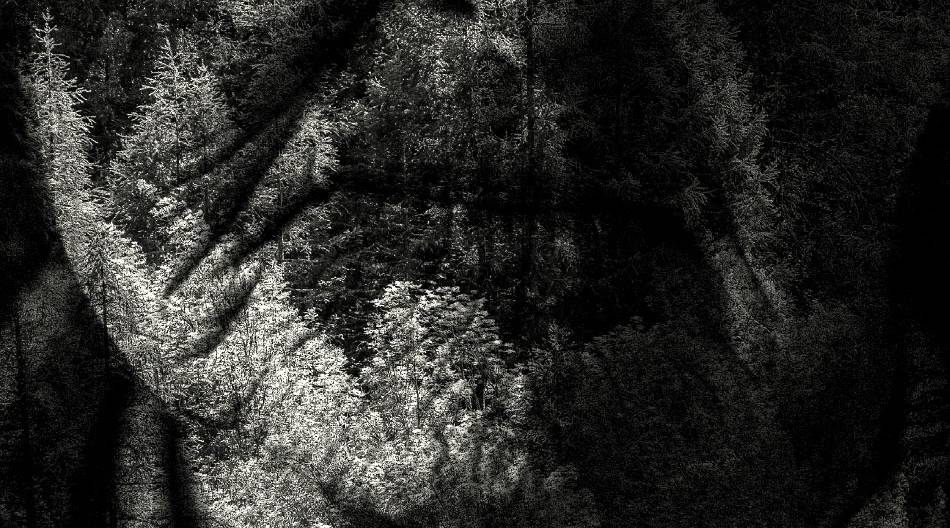
< image © Bertrand Gaudillère.
Excerpts from the book InsideOutside (11/12)
Prison Insider, represented by Clara Grisot, contributed twelve compositions to the book InsideOutside in order to succinctly articulate the current challenges of prison life. All content pertains to 21st-century prison systems unless otherwise indicated. These twelve pieces serve as windows into major themes including mental health, overcrowding, life sentences, and torture.
Eleventh piece: ageing prison population.
The elderly are the fastest growing group in the prison population.
InsideOutside, the book
From 2017 to 2021, photographer Bertrand Gaudillère and Prison Insider engaged in a photographic correspondence with ten prisoners detained worldwide. Graphic designer Yannick Bailly joined them to transform this journey into a book, published by Libel Editions in December 2023. The book is available for purchase for €35. Interested in learning more? Click here to place your order or email us to request the press kit.
InsideOutside
++