Out of the box
image ©Virgile Bellaiche.
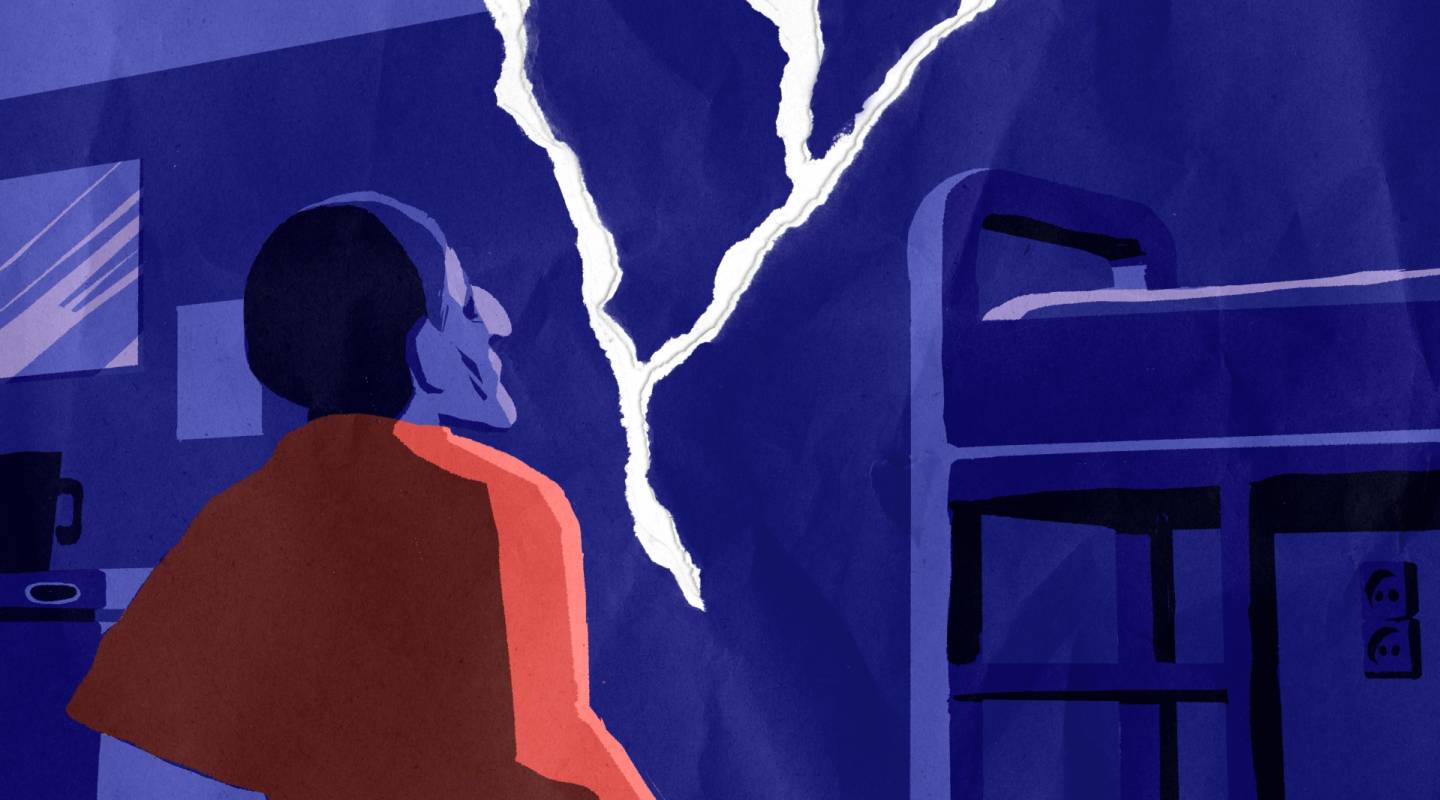
“People think that prison is a magic box, where you put social problems and they come out fixed.” - Fergus McNeill.
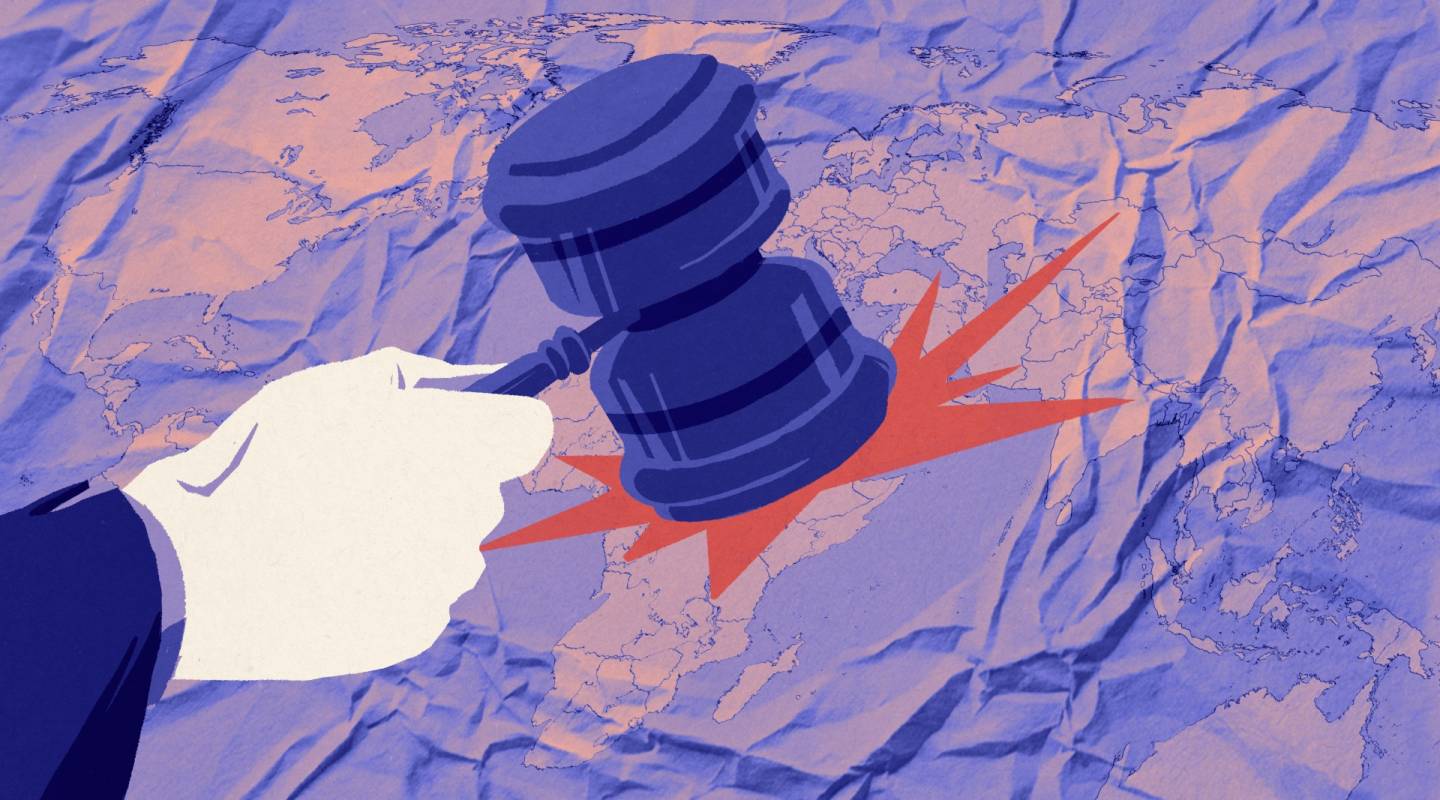
Magic or not, prison is at least perceived as a “logical” answer to behaviours that a state considers illegal. Rather than logic, prison is above all a historical, political and cultural construction.
Yet, other answers exist. Community sanctions and measures - such as probation and supervision, community service, electronic monitoring, or home arrest - keep people outside prison walls while maintaining them under the control of the penal system. Many countries have developed these responses as their main alternative to incarceration.
These discussions, however important, keep the focus on the sentences, whether custodial or not. They leave unexamined a fundamental challenge: beyond the answers that justice gives, what of the questions it asks?
While many states claim sole legitimate authority to administer justice, they coexist with customary, religious or arbitral forms of justice with various levels of recognition, tolerance, or repression. Other conceptions and systems of justice have been built and continue to operate around the world: community justice, restorative justice, transformative justice. There are many ways to ask this question, and just as many answers. This thematic paper explores some of them.
What if justice was different, and prison was not the default?
— This series benefits from a financial assistance of the French Development Agency.